What happens if you can’t work for six months?
It’s not something most people like to think about. But if illness or injury kept you off the tools, out of the office, or away from the job site for a few months, what would actually happen?
What It Helps With
Income Protection is designed to replace a portion of your income while you recover.
It’s there to keep life moving when your pay stops.
It can help cover things like:
- Mortgage or rent
- Groceries
- Business expenses
- School fees
- Everyday bills
Because when your income pauses, the rest of life doesn’t.
Who It’s For
Income Protection is especially important if you:
- Run your own business
- Work as a contractor
- Are self-employed
- Support a family on a single income
- Don’t have substantial savings set aside
If you rely on your ability to work each week, your income is your biggest asset. Protecting it just makes sense.
A Real Example
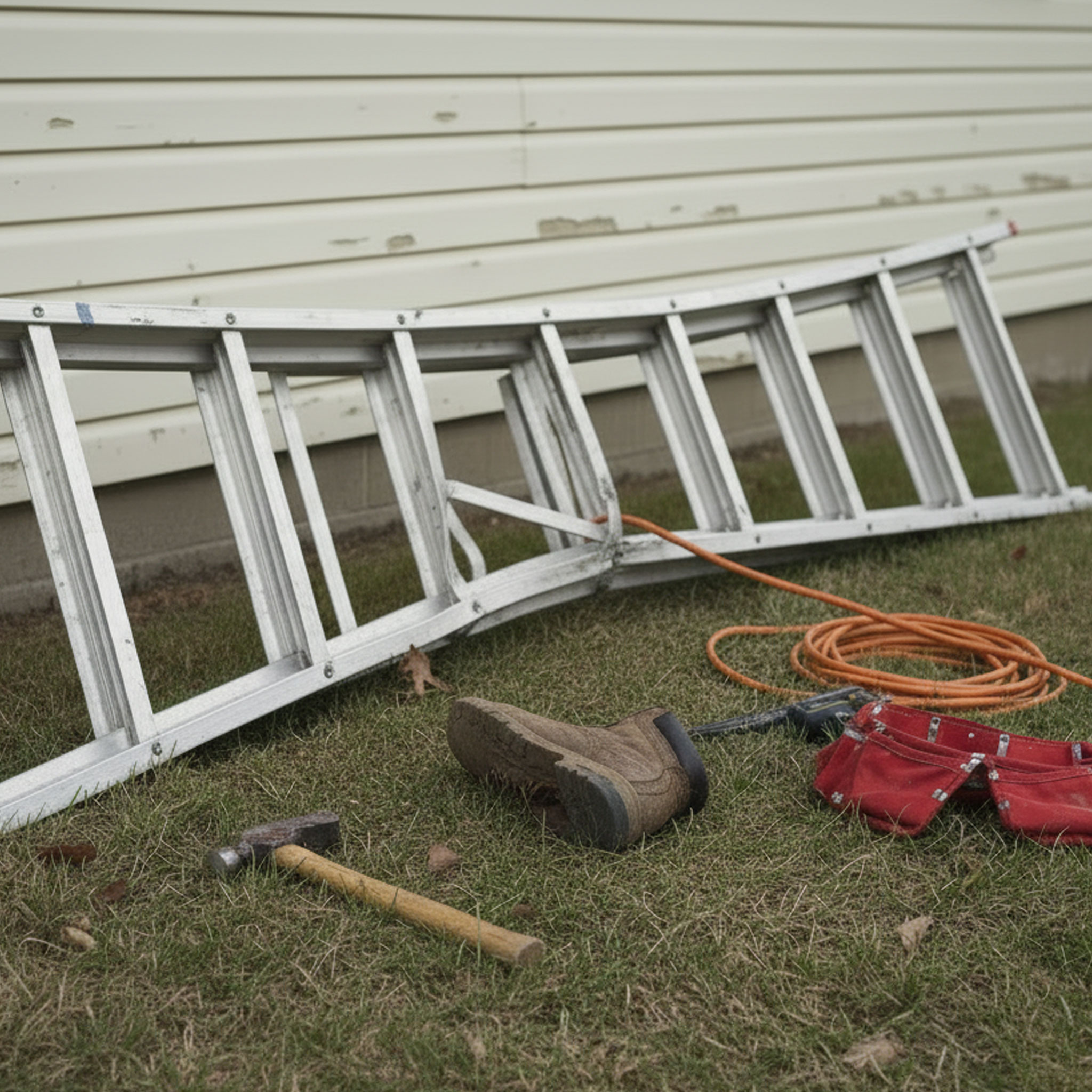
Dave is 34 and runs his own building business. One bad fall off a ladder left him with a broken leg and four months off work. No jobs. No invoices going out.
He had Income Protection with a four-week waiting period. After that first month, his policy stepped in. It covered his mortgage and helped with groceries while he recovered.
Without it, his savings would have lasted about six weeks. After that, things would have started getting uncomfortable, fast.
What Most People Don’t Realise
Not all Income Protection policies are built the same.
Waiting Periods, Benefit Periods, Agreed Value versus Indemnity Cover — the fine print really matters. Small structural differences can have a big impact when you actually need to claim.
My role is to walk you through those trade-offs clearly, without jargon, so you can structure cover that genuinely fits your situation, not just something that looks good on paper.
Cover That Works Together
You might also consider: